

Why Buying Ammunition by the Case Saves You Real Money
Buy Bulk Ammo in Bulk and Never Run Dry at the Range Again
Bulk ammo refers to ammunition purchased in large quantities, typically packaged in loose containers or economy boxes rather than individual retail packs. This approach lowers the cost per round by reducing packaging and handling overhead, making it a practical choice 6.8 SPC Ammo for Sale for high-volume shooters. When stored properly in dry, temperature-stable conditions, bulk ammo delivers consistent performance identical to standard retail rounds. For range practice or competitive shooting, buying in bulk ensures a steady supply without frequent reordering interruptions.
Why Buying Ammunition by the Case Saves You Real Money
Buying ammunition by the case, rather than in boxes, directly lowers your per-round cost because bulk ammo pricing rewards larger volume with significant discounts. Retailers, whether online or in-store, set tiered price breaks, so a 500- or 1,000-round case typically reduces the price per cartridge by 10–20% compared to individual 50-round boxes. That saving compounds quickly if you shoot regularly, as you’re not paying the “handling premium” that covers individual box packaging and shelf restocking. Furthermore, bulk ammo purchases often qualify for free shipping or reduced freight rates, and by ordering .338 Lapua Ammo for Sale fewer times, you cut transaction fees and wasted gas from frequent trips. Even a modest 15% per-round saving on a 1,000-round case of 9mm can easily exceed $50—money you keep for range fees, targets, or future restocks. Over a year of consistent practice, case purchases deliver the most predictable and tangible savings for your shooting budget.
How Per-Round Costs Drop When You Skip the Box
The real savings with bulk ammo by the case kick in the moment you abandon the cardboard box. Retail packaging—sturdy dividers, printed trays, and individual sleeve wraps—adds material and handling costs at the factory. When you buy a case, manufacturers skip that assembly line step, shipping loose rounds in simple, heavy-duty bags or foam-lined containers. That streamlined process translates directly to a lower wholesale price, which you see https://specialtysportsandsupplyltd.com/ per round. The sequence is simple: skip the display box, reduce manufacturing labor, cut shipping weight, and pass those pennies on to you. Over 500 rounds, skipping that box easily shaves 10–20% off your total cost.
Calculating Your True Savings on a 500 or 1,000-Round Purchase
To get your true savings on bulk ammo, don’t just compare the sticker price per box. Calculate the per-round cost for the 500 or 1,000-round case, then factor in shipping, taxes, and any credit card fees. For example, if a 500-round case costs $250 with $15 shipping, your per-round price is $0.53. Compare that to buying twenty 25-round boxes at $14 each 6.5x57R Ammo for Sale ($350 total) — you saved $100, or 28.6%. Also, track the price per round across different calibers to see which case gives the best bang for your buck.
Q: How do I calculate true savings if I only shoot half a case?
A: That’s a great point. If you buy 1,000 rounds but only use 500, your “savings” shrink — you’ve tied up cash in ammo you haven’t shot yet. To stay honest, divide the total cost by the rounds you’ll realistically shoot in 3–6 months, not the full case count. That gives you your actual per-round cost today, not a theoretical future discount.
What to Check Before Committing to a Large Ammo Order
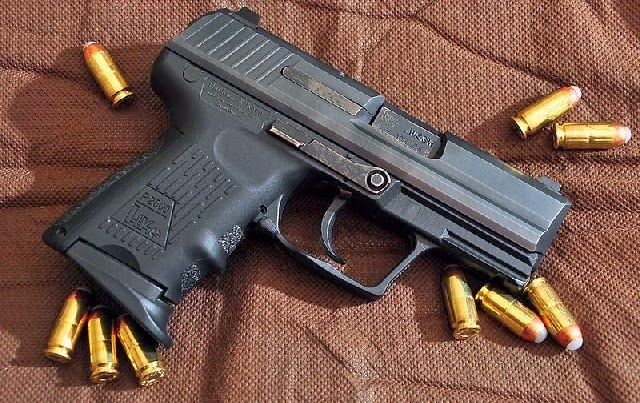
Before you drop serious cash on bulk ammo, inspect the lot’s headstamp and primer sealant—mixed headstamps in one case mean inconsistent performance and potential feeding issues. Pop open a box and check for corrosion, loose bullets, or dented casings, since bulk deals often hide damaged rounds in the middle. Also, verify the exact grain weight and bullet profile against your firearm’s twist rate and magazine—a 147-grain flat-point might not cycle a pistol tuned for 115-grain round nose. Ask the seller for the manufacture date and storage conditions; ammo older than five years with unknown humidity exposure risks hangfires. *Even a smoking price per round turns sour if your gun chokes on the lot.* Finally, test-fire a small sample from the batch before committing to the full pallet, ensuring reliable extraction and consistent velocity.
Matching Grain Weight and Bullet Type to Your Firearm’s Needs
Before committing to a bulk ammo order, verify that the grain weight and bullet profile match your firearm’s twist rate and intended use. A 1:7 twist barrel stabilizes heavier 62–77 grain projectiles, while a 1:12 twist prefers lighter 55 grain loads; mismatches cause keyholing and poor accuracy. For defensive rounds, choose bonded or jacketed hollow points that expand reliably at your barrel length, whereas plinking or training demands cheaper full metal jacket (FMJ) in the grain weight your optic is zeroed for. Testing a small sample of each candidate lot before buying in bulk .32 Win Special Ammo for Sale prevents wasting hundreds of rounds on a load your gun shoots poorly.
Confirm the grain weight and bullet type against your barrel twist and purpose, then test a small sample before committing to a large ammo order.
Verifying Primer Type and Casing Material for Reliable Feeding
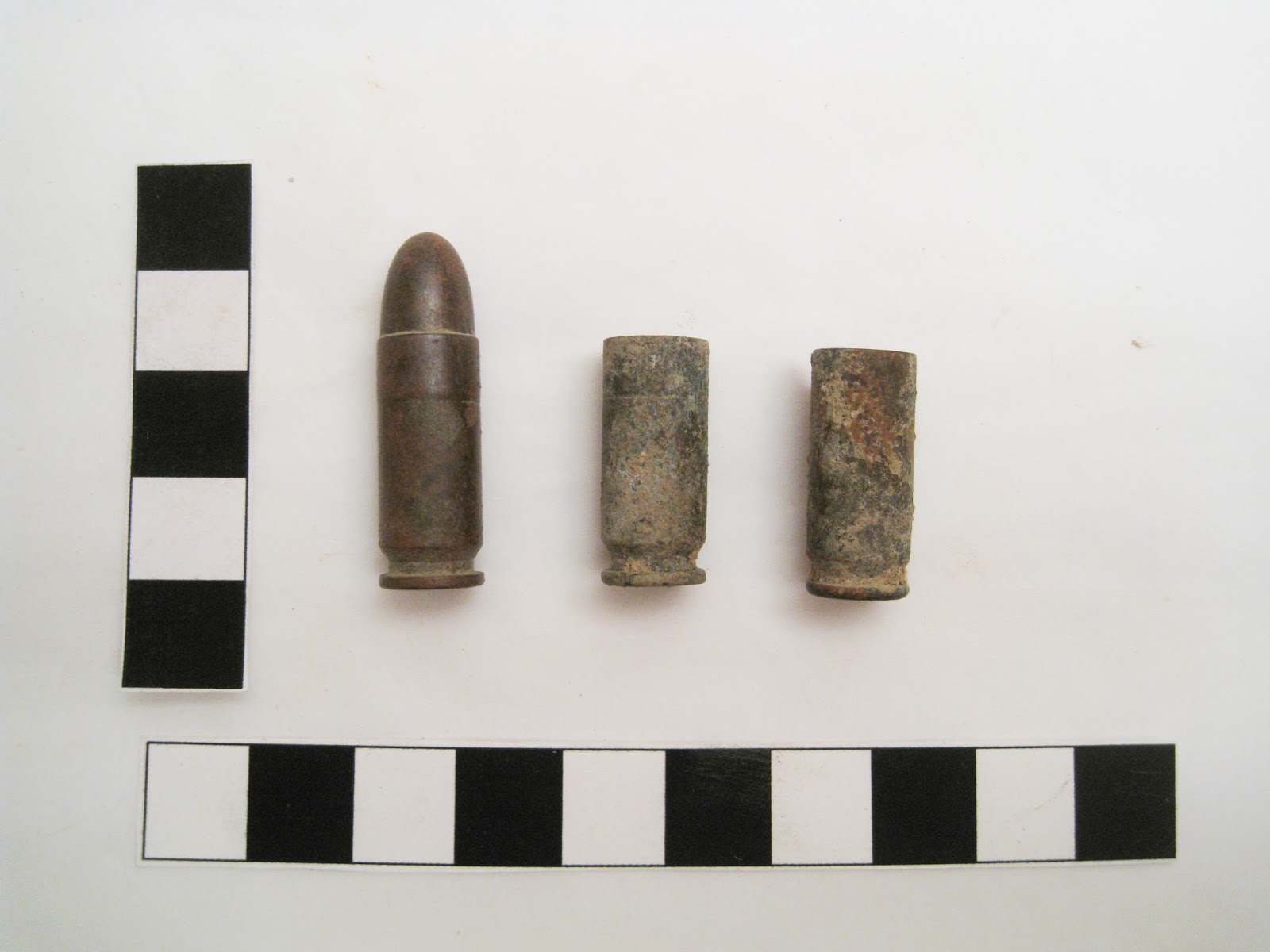
Before locking in a bulk purchase, verify the primer type and casing material compatibility with your firearm’s feeding system. Boxer-primed brass or nickel cases feed most reliably in semi-autos; Berdan-primed steel cases often have harder, more corrosion-resistant surfaces that can cause rim or extractor slip in tight chambers. Check case mouth thickness and rim profile—steel casings sometimes expand differently under heat, leading to bolt-over-base jams. If your gun is tuned for brass, a case gauge test with 20 random samples from the lot will reveal feeding inconsistencies. Prioritize 6.5×55 Swedish Ammo for Sale brass or nickel for match-grade feeding; reserve steel or aluminum for guns with loose tolerances.
How to Store a Large Ammo Cache Without Damaging It
For a bulk ammo cache, prioritize a climate-controlled environment, aiming for a stable 60–70°F with humidity below 40% to prevent corrosion and powder degradation. Store ammunition in its original factory boxes or rigid, sealed ammo cans with desiccant packs; avoid open bins that expose rounds to moisture. Elevate your large ammo storage off concrete floors on pallets or shelving to reduce condensation transfer. Rotate your stock by using older lots first, keeping sealed, dated containers in the back of your cache. Inspect quarterly for rust, bulged cases, or leaching primer seals, replacing damaged rounds immediately to protect the integrity of the entire bulk stash.

Controlling Humidity and Temperature for Long-Term Shelf Life
For bulk ammo, stable climate control is the backbone of long-term shelf life, as temperature swings and moisture drive primer degradation and case corrosion. Keep storage areas between 55–70°F, since extreme heat accelerates propellant breakdown, while freezing conditions risk condensation on cold metal. Maintain relative humidity below 40% using desiccant packs or a dehumidifier, integrating a hygrometer for continuous monitoring. Seal ammo in airtight, military-style cans with rubber gaskets, adding silica gel that you recharge regularly to absorb residual vapor. Avoid basements or garages prone to dampness; instead, choose an interior room with steady thermal mass, and allow sealed cans to acclimate slowly to room temperature before opening to prevent condensation from forming on the ammunition itself.
- Cycle silica gel every 6–12 months, drying it in the oven at Ammunition for Sale 250°F to restore capacity.
- Use closed-cell foam or desiccant bags inside every can, along with a humidity-indicator card.
- Place a room-level dehumidifier set to 6.5x57mm Mauser Ammo for Sale 35% during humid seasons, and insulate the room for passive temperature buffering.
Rotating Your Stockpile So Old Rounds Get Used First

Treat your ammo like a pantry, not a museum. When you buy bulk ammo, slide new boxes to the back of the shelf and pull older rounds forward for range days. This first-in, first-out rotation keeps your cache fresh and prevents corrosion or primer degradation from years of sitting. Mark each case with a purchase date in permanent marker, then check your stash every few months. If you notice a dusty box at the front, shoot it next trip—no exceptions. Rotating also helps you track lot numbers if a bad batch slips through, so you’re not stuck with duds.
- Use a “new in, old out” rule when loading ammo cans.
- Write dates on boxes or use colored tape for quick visual sorting.
- Dedicate one shelf to “shoot next” so you never skip the old .35 Remington Ammo for Sale stuff.
Practical Tips for Working Through a Bulk Supply Efficiently
When you’ve got a bulk ammo stash, don’t just blast through it randomly—rotate your stock by using the oldest boxes first, and keep a simple log of round counts per caliber so you know what’s actually left. Break your supply into dedicated ranges: some for plinking, some for zeroing, and a sealed reserve for emergencies. **Shooting in controlled sessions—like 100 rounds per range trip—keeps your barrel cool and your practice meaningful.** Also, dry-fire with snap caps to save live rounds for live drills, and buy or reload in matching lots to avoid point-of-impact shifts. Q: How do I track bulk ammo usage without spreadsheets? A: Use a sharpie tally on each ammo can lid after every session. Finally, store opened boxes in ziplock bags with silica gel to keep primers reliable as you work through the lot.
Setting Up a Range Day Plan That Matches Your Ammo Quantity
Before you load a single magazine, count your bulk ammo and divide it by the number of planned sessions, not the other way around. A range day plan that matches your ammo quantity starts with a hard ceiling, such as 200 rounds for zeroing and 150 for drills, then assigns a specific drill to each fraction so nothing is wasted. If you have 1,000 rounds, commit to four distinct 250-round blocks, and stop when the block ends even if the range is empty. Track round count per target in a notebook; this prevents overspending on unscheduled practice and keeps your bulk supply lasting until the next haul. Only adjust the plan if you bring extra ammo—never dip into the next session’s allotment.
Breaking Down Big Lots Into Manageable Magazine and Box Loads
When tackling bulk ammo, resist the urge to dump every round into a single container. Instead, break down big lots into magazine-ready batches using a deliberate, two-stage system. First, separate the total purchase into functional box loads—typically 50 or 100 rounds per manufacturer box or labeled MTM case—matching your typical range session count. Second, from those boxes, pre-load only the exact number of magazines you plan to use per trip, never over-filling spare mags that sit compressed and stress springs. This prevents both wasted time at the bench and inconsistent round counts for inventory tracking. A simple rotation rule: pull from the oldest box first, and recycle the empty box as a measure for the next session. This method keeps your bulk supply fluid, organized, and instantly deployable.
| Stage | Action | Benefit |
|---|---|---|
| Box loads | Sort into 50/100-round increments | Enables quick count and stock rotation |
| Magazine loads | Fill only planned mags per session | Reduces spring fatigue and handling errors |
Choosing Between New, Remanufactured, and Surplus Rounds in Bulk
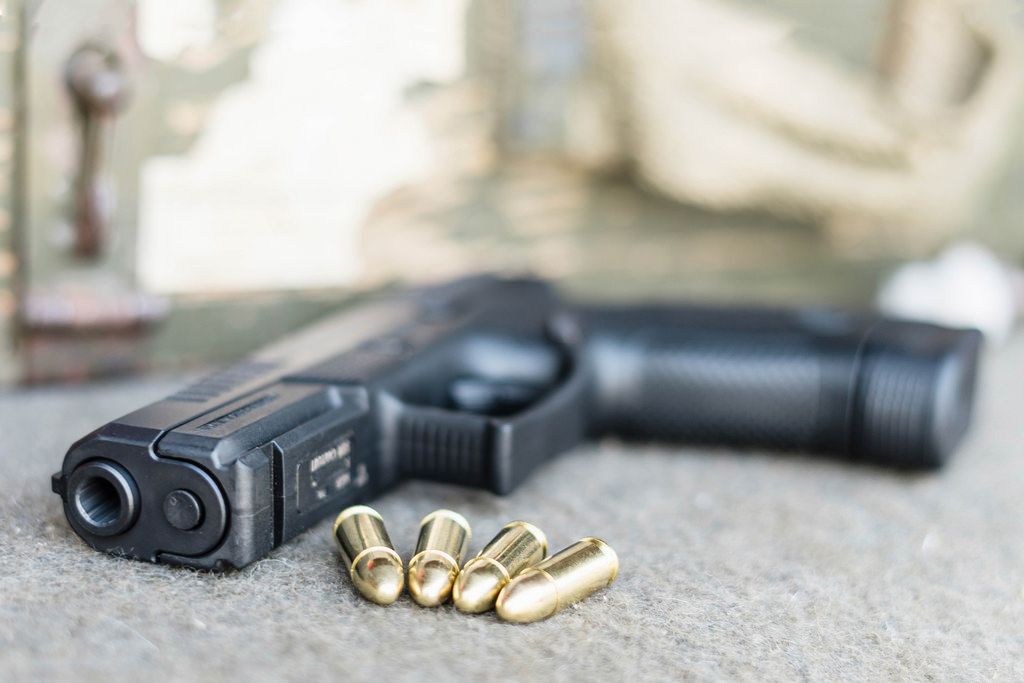
When buying bulk ammo, new rounds offer consistent performance and full powder charges, ideal for defensive or precision use, but .32 ACP Ammo for Sale cost the most. Remanufactured rounds use once-fired brass and new components, saving 15–25% while remaining reliable for high-volume training, though you should inspect batches for case crimp issues. Surplus military rounds are the cheapest, but they can be corrosive, have inconsistent storage conditions, and often use lacquered steel cases that may extract poorly. Your choice hinges on your primary use case: plinking and drills favor surplus if your gun handles steel, while remanufactured suits match-grade accuracy at a discount. Q&A: “Can I mix surplus and remanufactured in one bulk order?” Yes, but store them separately, as surplus’ harder primers may require a heavier hammer strike than remanufactured’s boxer-primed cases, risking misfires if your firearm’s action tune isn’t verified first.
What Reman Ammo Means for Your Wallet and Your Gun’s Cleanliness
Reman ammo’s primary wallet advantage is a per-round cost typically 20–30% below new brass, but that saving is conditional. Because remanufactured loads are assembled from once-fired cases that have already been stretched, they often fire-form slightly differently, leading to accelerated carbon and powder fouling in your chamber and bolt face. You buy cheap, but you may clean more often, using extra solvent and brushes that eat into the margin. The trade-off is manageable if you stick to reputable reman producers who re-tumble and re-size cases properly; their cleaner-burning powder keeps residue closer to a new-round baseline. However, a budget batch from an unknown vendor can leave sticky, baked-on deposits that require a full break-down scrub. So, reman saves upfront cash, but your total cost includes time and cleaning supplies. Fouling management is the hidden fee.
Q: Does reman ammo always mean more gun cleanup?
A: Not always, but you risk it. High-quality reman with low-residue propellant can run nearly as clean as factory new, while cheap reman often burns dirtier. Inspect a few fired cases and the chamber before committing to a bulk case—the grime tells you the real cost.
Spotting Reliable Surplus Lots vs. Inconsistent Batches
When evaluating bulk surplus ammunition, distinguish a reliable surplus lot from an inconsistent batch first by examining headstamp uniformity—a single year and manufacturer across all boxes suggests one continuous production run. Verify the sealant: consistent crimp or lacquer color indicates proper military storage, while mixed sealants signal repacking of disparate sources. Before committing, pull a few bullets and measure case lengths and projectile weights; deviations beyond 0.5% between samples reliably predict pressure inconsistencies and poor accuracy. Check primer pockets for uniform corrosion—spot rust here points to humidity-damaged lots, whereas clean, tight primers support quality. Finally, fire ten rounds for velocity spread; a standard deviation under 15 fps confirms consistency, while erratic chronograph readings or frequent light primer strikes expose a salvage batch worth rejecting.
Common Mistakes to Avoid When Buying Large Quantities
When buying bulk ammo, the biggest mistake is ignoring ammo storage conditions, as fluctuations in temperature and humidity can ruin thousands of rounds. Another common error is fixating solely on price per round and forgetting to verify the manufacturer’s reputation, leading to duds or squibs. Don’t assume all bulk lots share the same lot number; mixed headstamps can cause inconsistent accuracy and pressure spikes. Also, avoid overbuying calibers you don’t actually shoot regularly—lock up your cash in a caliber you’ll realistically use within two years. Finally, never skip inspecting packaging for damaged boxes or corroded primers before you commit, since returns are nearly impossible once the pallet is opened.
Overlooking Shipping Weight and Hazmat Fees on Heavy Orders
When buying bulk ammo, overlooking shipping weight and hazmat fees on heavy orders is a costly mistake that blindsides your budget. Ammunition is dense, and freight carriers calculate costs by dimensional weight, not just the box size, so a pallet of 5,000 rounds can spike shipping dramatically. Beyond that, primers and propellants classify as hazardous materials, triggering a mandatory hazmat surcharge per package—often $20 to $50 regardless of order size. Before checkout, always request a full landed-cost quote that itemizes freight and hazmat charges. Then, compare that against splitting your order into smaller, ground-shippable boxes under the carrier’s weight threshold. This single step can save you hundreds. Ignoring hazmat fee calculations turns a “deal” into a loss. Follow this sequence:
- Weigh your total order estimate.
- Add the per-package hazmat surcharge.
- Compare bulk shipping vs. multiple small shipments.
- Choose the lowest combined cost.
Ignoring Your Gun’s Specific Ammo Preferences for the Sake of Price
Chasing the lowest per-round price in bulk ammo often means grabbing whatever grain weight or load your firearm tolerates, not prefers—and that’s a costly shortcut. Your gun’s specific ammo preferences, like a 1:7 twist barrel needing heavier 77-grain projectiles or a pistol that cycles best with a certain pressure curve, directly affect reliability and accuracy. Stockpiling thousands of rounds that your firearm merely fires, but doesn’t *like*, turns your bulk purchase into a frustrating pile of malfunctions and poor grouping. Ignoring your gun’s ammo preferences for price creates a false economy: you save cents now but waste dollars on wasted range trips and potential part wear. Q: What’s the biggest risk of ignoring your gun’s ammo preferences in bulk? A: You lock yourself into a large cache that may not cycle reliably, making your bulk investment nearly useless for defensive or precision use.